
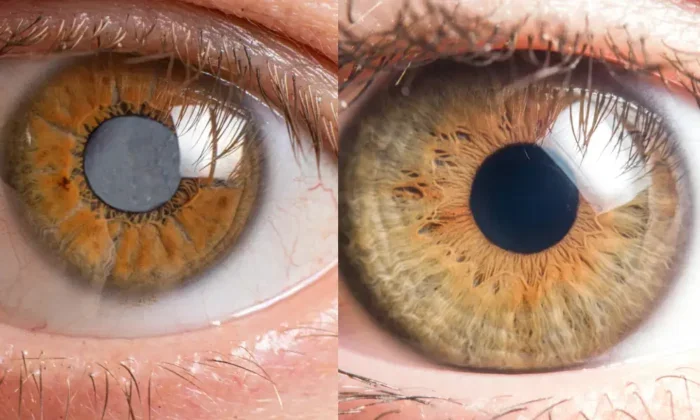
Cataracts remain one of the leading causes of vision loss worldwide, but cataract surgery in 2026 has never been more advanced, precise, or personalized. With breakthroughs in intraocular lenses (IOLs), femtosecond laser assistance, AI-powered planning, robotic elements, and customizable implants, patients can achieve sharper vision across multiple distances — often with dramatically reduced dependence on glasses.
Whether you're dealing with early clouding or ready for surgery, understanding your options helps you make the best decision for your lifestyle, budget, and long-term eye health. This comprehensive updated 2026 guide breaks down standard and premium lenses, new technologies, recovery expectations, prevention strategies, real patient considerations, costs, risks, and future trends.
Understanding Cataracts: Causes, Symptoms, and When to Act
Cataracts develop when the eye’s natural lens becomes cloudy, usually due to aging, but also from UV exposure, diabetes, smoking, trauma, or certain medications. By age 80, more than half of Americans either have a cataract or have had cataract surgery.
Common symptoms include:
Blurry or cloudy vision
Difficulty seeing at night
Sensitivity to light and glare
Halos around lights
Fading or yellowing of colors
Frequent changes in eyeglass prescription
In 2026, early detection through advanced imaging like swept-source OCT allows intervention before vision significantly declines. Many patients in their 60s and 70s now opt for surgery proactively to maintain active lifestyles — driving, traveling, using digital devices, and enjoying hobbies without limitations.
Who is at higher risk? People with diabetes, high blood pressure, prolonged steroid use, or significant family history should schedule annual exams after age 60. Regular check-ups at clinics like iCare Family Vision in Minneapolis can catch issues early.
The Evolution of Cataract Surgery: From 1950s to 2026
Cataract surgery has come a long way. In the mid-20th century, it involved large incisions and weeks of recovery with thick glasses. The introduction of intraocular lenses in the 1950s and phacoemulsification in the 1960s revolutionized the field. By the 2000s, smaller incisions and foldable lenses became standard.
In 2026, the procedure is a refined outpatient experience. Most surgeries take 10–20 minutes per eye. Techniques emphasize micro-incisions (under 2.2mm), laser precision, and data-driven customization. AI integration and improved materials have boosted success rates to over 98%, with patient satisfaction often exceeding 95% for premium options.
What Is Cataract Surgery in 2026?
Cataract surgery removes the clouded natural lens and replaces it with a clear artificial intraocular lens (IOL). It is performed under local anesthesia with minimal sedation, allowing most patients to go home the same day.
Modern surgical steps:
Preoperative planning — Advanced biometry and AI formulas (like Barrett Universal II enhanced with AI or ZEISS AI) calculate precise lens power.
Incision — Often created with a femtosecond laser for perfect architecture.
Lens removal — Ultrasound (phacoemulsification) or laser fragmentation softens and removes the cataract.
IOL implantation — The new lens is folded and inserted through the tiny incision, where it unfolds naturally.
Verification — Intraoperative tools like ORA (Optiwave Refractive Analysis) confirm positioning in real time.
Many centers now offer same-day bilateral surgery for suitable candidates, reducing overall recovery time.
Standard Lens Options (Monofocal IOLs)
Standard monofocal lenses remain the most common choice and are typically covered by insurance, including Medicare and most private plans. They provide excellent clarity at one primary distance, usually set for distance vision.
Detailed procedure for standard lenses: Surgeons make a small self-sealing corneal incision. The cataract is emulsified and aspirated. The monofocal IOL (acrylic or hydrophobic material) is implanted in the capsular bag. Toric monofocal versions correct astigmatism.
Estimated additional cost: $0–$500 out-of-pocket (mainly for toric correction or facility fees).
Pros of Monofocal IOLs:
Highly reliable with sharp distance vision
Lowest risk of visual disturbances like halos or glare
Excellent contrast sensitivity, ideal for night driving
Fully insurance-covered in most cases
Proven long-term stability (over 30+ years of data)
Cons:
Most patients still need reading glasses or bifocals for near and intermediate tasks
Limited built-in astigmatism correction without toric upgrade
May not fully address presbyopia (age-related near vision loss)
Best for: Budget-conscious patients, those who don’t mind glasses, professional drivers, or anyone prioritizing minimal side effects over spectacle independence.
Real-world example: A 68-year-old retiree who enjoys golf and evening walks might choose monofocal distance lenses and use inexpensive readers for books and phones.
Advanced / Premium Lens Options in 2026
Premium IOLs have evolved significantly. 2026 models offer better light transmission, reduced dysphotopsias (glare/halos), and higher spectacle independence rates (often 80-95%). Key categories include trifocal, extended depth of focus (EDOF), hybrids, toric, and light-adjustable lenses.
Premium Cataract Lens Options in 2026
| Lens Type | Key Features | Best For | Potential Drawbacks | Approx. Out-of-Pocket Cost (per eye, 2026) |
|---|---|---|---|---|
| Trifocal (e.g., Clareon PanOptix Pro, FineVision HP, TECNIS Odyssey) |
Three focal points: near (~40cm), intermediate (~60-80cm), distance | Active patients wanting maximum glasses freedom (reading, computers, driving) | Mild halos/glare possible (greatly improved from 2024 models) | $2,500–$4,500 |
| EDOF (e.g., Alcon Vivity, Rayner RayOne EMV) |
Continuous extended focus; excellent distance + intermediate | Computer users, golfers, drivers prioritizing clear night vision | Readers often still needed for very fine print | $2,000–$4,000 |
| Multifocal Hybrids (e.g., Bausch + Lomb enVista Envy) |
Balanced range with hybrid optics for lower side effects | Patients seeking high independence with good adaptability | Short adaptation period (weeks) for brain to adjust | $2,800–$4,200 |
| Toric Versions (of above lenses) |
Built-in astigmatism correction | Patients with 0.75D+ astigmatism | Slightly higher cost and precise alignment needed | +$500–$1,500 |
| Light Adjustable Lens (LAL) (RxSight) |
Post-op UV light adjustments (2-3 sessions) | Patients wanting ultimate customization | Requires office visits for light treatments; higher cost | $3,000–$5,500+ |
2026 Advancements:
Better materials (Clareon hydrophobic acrylic reduces glistening)
Non-diffractive EDOF designs minimize halos
Higher patient satisfaction — many surgeons report 90%+ achieving 20/25 or better uncorrected vision
Mixing lenses (e.g., EDOF in dominant eye, trifocal in non-dominant) for personalized outcomes
Patient Story Example: A 62-year-old teacher with astigmatism chose the enVista Envy toric trifocal. Six weeks post-op, she reads student papers, uses her computer all day, and drives at night without glasses — a dramatic improvement from her pre-surgery blurred vision.
Laser-Assisted Cataract Surgery (FLACS) & Cutting-Edge Technologies
Femtosecond Laser-Assisted Cataract Surgery (FLACS) uses ultra-fast pulses to create precise incisions, fragment the lens, and open the capsule. Benefits include:
More accurate IOL placement
Reduced ultrasound energy (less trauma)
Faster visual recovery
Better outcomes for premium lenses
AI in 2026 Cataract Surgery: AI tools analyze corneal topography, lens density, and biometric data for superior IOL calculations. Systems like ZEISS AI and new platforms reduce refractive surprise to under 0.30 diopters. AI also assists in surgical planning and even robotic guidance.
Other Breakthroughs:
Intraoperative aberrometry (real-time wavefront analysis)
3D digital guidance systems
Robotic-assisted elements in select centers
Advanced phaco systems with better fluidics
These technologies are especially valuable for complex cases like dense cataracts or previous refractive surgery patients.
Comprehensive Recovery Timeline in 2026
Recovery has improved with modern techniques:
Day of Surgery: Mild discomfort, protective shield. Vision often starts clearing within hours.
Day 1: Follow-up visit. Many see significant improvement; light sensitivity common.
Week 1: Resume light activities. Avoid heavy lifting, swimming, or dusty environments. Use antibiotic/steroid drops.
Weeks 2–4: Vision stabilizes. Most return to work and normal routines. Premium lens patients notice continued sharpening.
Weeks 4–8: Full healing for most. Light Adjustable Lens patients complete adjustments.
Up to 3 Months: Final refractive outcome; any residual issues addressed.
Tips for Optimal Recovery:
Follow drop schedule strictly
Wear UV-protective sunglasses outdoors
Sleep with shield first week
No eye rubbing
Healthy diet rich in antioxidants supports healing
Attend all follow-ups
Most patients describe recovery as far easier than expected. Complications are rare (<1-2% for serious issues).
Risks and How to Minimize Them
While highly safe, potential risks include infection, inflammation, posterior capsule opacification (treatable with YAG laser), retinal detachment, or IOL dislocation. Premium lenses carry slightly higher risk of dysphotopsias, though 2026 designs have minimized this.
Minimization strategies:
Choose experienced surgeons (high volume, fellowship-trained)
Follow pre/post instructions meticulously
Manage systemic health conditions
Select appropriate lens based on realistic expectations
Costs and Insurance in 2026
Standard surgery: Mostly covered by Medicare/insurance. Out-of-pocket: $0–$1,000 total.
Premium lenses + laser: $2,000–$6,000+ per eye (varies by location and technology).
Financing options: CareCredit, clinic payment plans, HSA/FSA funds.
Many patients view premium options as an investment in quality of life.
How to Reduce Your Risk of Cataracts and Maintain Eye Health
Prevention plays a major role:
UV Protection — 100% UVA/UVB sunglasses and hats.
Nutrition — Leafy greens (lutein/zeaxanthin), berries, fish (omega-3s), nuts.
Lifestyle — Quit smoking, control blood sugar/pressure, maintain healthy weight.
Screen Time Habits — Follow 20-20-20 rule; blue-light filters.
Annual Exams — Especially important in Minneapolis winters with less natural light.
Choosing the Right Surgeon and Clinic
Look for:
Board-certified ophthalmologists with high surgical volumes
Access to latest technology (FLACS, AI planning, premium lenses)
Transparent communication and realistic outcome discussions
Strong patient reviews and personalized care
At iCare Family Vision in Minnesota, our team provides comprehensive evaluations, lifestyle-based recommendations, and full-spectrum support.
Why Choose iCare Family Vision for Your 2026 Cataract Surgery?
Located in Minneapolis, our experienced surgeons stay current with all 2026 advancements. We offer detailed consultations, advanced diagnostic testing, and honest guidance so you can choose the path that best fits your vision goals and budget. From pre-op education to long-term follow-up, we treat every patient like family.
Ready to See the World Clearly Again?
Don’t let cataracts limit your life. Schedule a no-obligation cataract evaluation with iCare Family Vision today. Advanced 2026 options can truly transform your daily experience.
This article was comprehensively updated in May 2026. Individual results vary. Always consult your eye doctor for personalized medical advice.